

- Define the Building Type
Passenger, hospital bed, freight, panoramic, or capsule — the elevator type must match the building’s purpose.
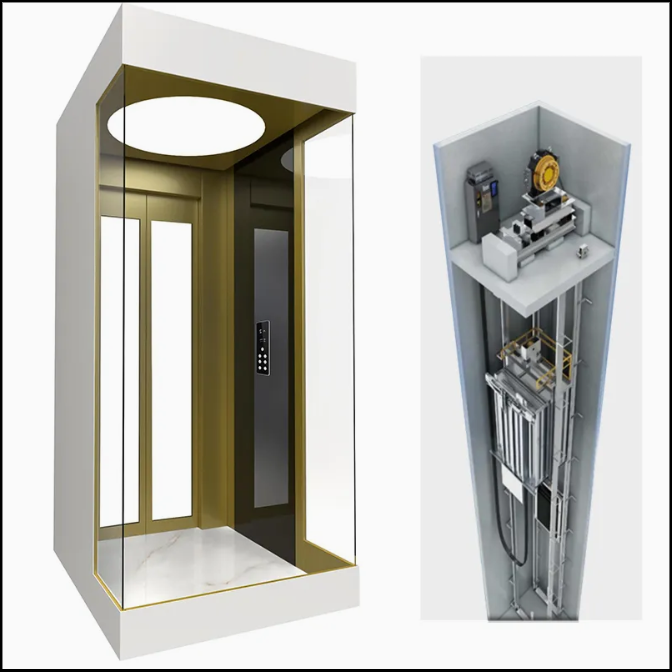
- Calculate Traffic & Capacity
Estimate daily usage and peak hours. Choosing the wrong load capacity can cause delays and unnecessary wear.
- Prioritize Safety Features
Ensure the system includes ARD (Automatic Rescue Device), overload protection, emergency alarms, and door safety sensors.
- Choose Energy Efficiency
Modern elevators with energy-saving drives reduce electricity consumption and operating costs.
- Focus on Ride Comfort
Smooth acceleration, low noise, and vibration-free movement improve user experience.
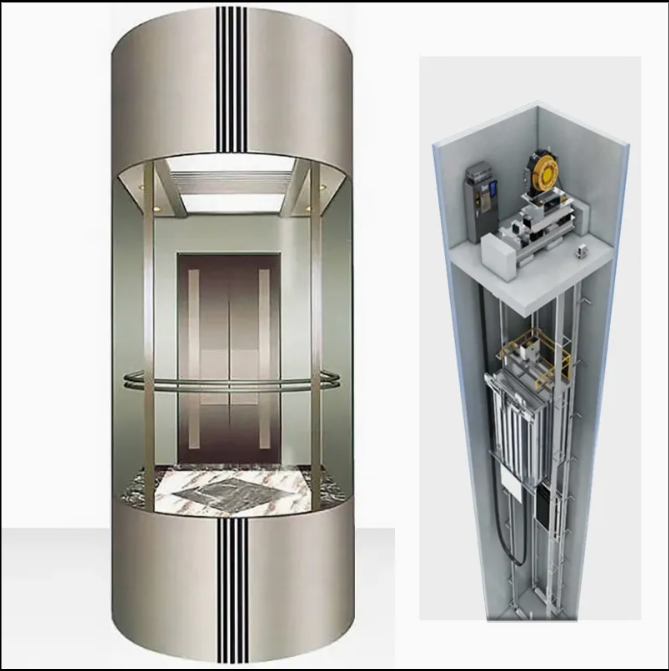
- Evaluate Space Availability
Check shaft size, pit depth, and machine room requirements before finalizing the system.
- Consider Aesthetics
Cabin design, finishes, lighting, and display panels should complement your building’s architecture.
- Check Compliance & Standards
Ensure the elevator meets national and international safety regulations.
- Maintenance & After-Sales Support
Reliable technical support and regular maintenance are essential for long-term performance.
- Choose a Trusted Elevator Company
Experience, project portfolio, and engineering expertise matter. Partnering with a professional company ensures quality installation and dependable service.